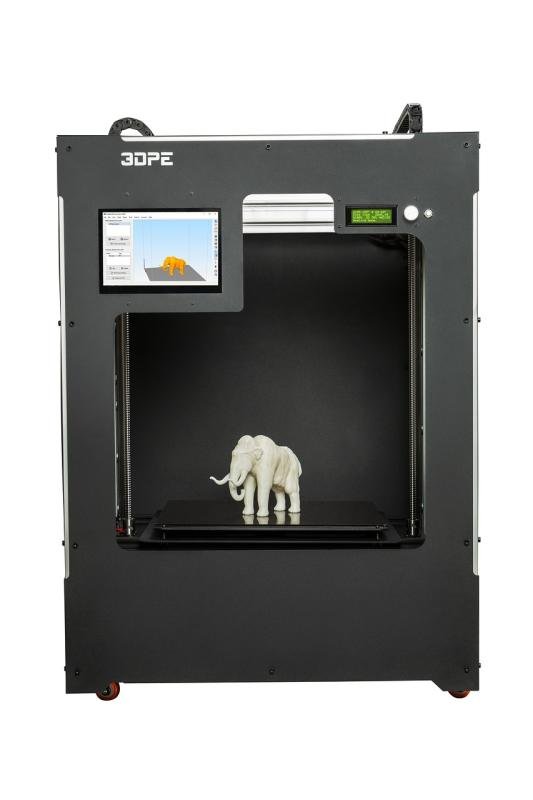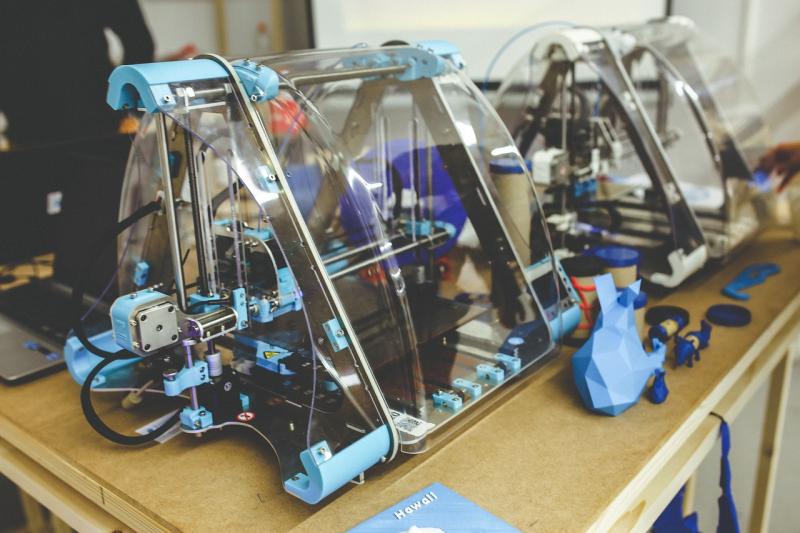
Jumping into 3D printing can feel a bit overwhelming, but it's really not as complicated as it seems. First, you'll need a decent 3D printer. Look for something user-friendly that comes with good reviews. Brands like Creality and Prusa have solid options for beginners. They’re affordable, reliable, and have loads of online support.
Next up, you’ll want to get some filament. This is the material your printer uses to create all those cool designs. PLA is a great starting point. It's super easy to work with, doesn’t require a heated bed, and comes in tons of colors. You can find it at many stores or online, often in multi-pack bundles.
Once you have your printer and filament, it’s time to get some designs. Websites like Thingiverse and MyMiniFactory have tons of free models available for download. If you're feeling creative, there are software options like Tinkercad that let you design your own stuff easily. No need to be a pro—just play around for a bit!
Now that you’ve got everything set up, it’s time to print! Start with something simple, like a keychain or a small figurine. Follow the instructions with your printer and don’t rush it. The best prints come from taking your time and adjusting settings as you go. Trust me, there's nothing like seeing your design come to life!
Choosing Your First 3D Printer
When you’re picking your first 3D printer, you want something that feels like a friend, not a puzzle. Think about what you want to create. Are you into models, gadgets, or maybe home decor? That can help narrow down your choices.
Start with your budget. You can find solid beginner-friendly printers under $500. Prices can climb steeply, but don’t stress. Many affordable options offer great performance. Look for brands known for reliability and support; you’ll appreciate having help if something goes sideways.
Next, consider the type of printing technology. FDM (Fused Deposition Modeling) printers are super popular for beginners. They’re user-friendly and can handle various materials. If you're aiming for more detailed prints, maybe check out resin printers, but keep in mind they can be messier and require extra care.
Don’t forget about the printer’s size. Make sure it fits in your space. Some printers are compact and perfect for small workspaces, while others are larger and can handle bigger projects. Think about your upcoming ideas and choose a size accordingly.
Finally, check for community support. Plenty of online groups share tips, tricks, and troubleshooting help. Having a supportive community makes learning so much easier. You’ll be amazed at how many cool projects you can jump into once you get started!
Understanding Filaments and Materials
Another popular filament is ABS. This one is a bit tougher than PLA, making it great for items that need to withstand some wear and tear. But be careful! ABS can release fumes while printing, so make sure your workspace is well-ventilated. If you’re thinking of printing something that you want to use for functional parts, ABS might be the way to go.
TPU is another material worth mentioning. It’s a flexible filament, which means it’s perfect for making things like phone cases or other items that need to bend a bit. TPU can be a bit tricky to print with, so if you’re just starting out, you might want to stick with PLA or ABS first before diving into the flexible stuff.
There are plenty more specialized materials, too, like PETG and nylon. PETG is a great choice because it combines the easy handling of PLA with some of the strength of ABS. Nylon is super strong but can be a bit more challenging to work with, often requiring a printer with a heated bed.
As you get more into 3D printing, experimenting with different materials will open up a world of possibilities. Just keep in mind what you want to create and choose the filament that best fits your project. Happy printing!
Basic Tips for Successful Printing
3D printing can be a bit tricky at first, but with some tips under your belt, you’ll be printing like a pro in no time. Let’s dive into some basic tricks that will help you get the best results.
First up, make sure your printer is calibrated. This step is key! If your printer isn’t set up right, your prints can come out all wonky. A simple leveling of the print bed can work wonders. Take a few minutes to double-check that everything is aligned before starting your print.
Next, pay attention to your filament. Different materials have different properties, and using the right one is crucial. PLA is a great choice for beginners because it’s user-friendly and doesn’t warp much. If you’re feeling adventurous, ABS is stronger but requires more care. Don’t forget to store your filament properly, too – in a cool, dry place to keep it in good shape!
Lastly, keep an eye on your print settings. Play around with layer height, print speed, and temperature to see what works best for you. Sometimes, slowing things down a bit can improve the final product. And if you’re struggling, check out online forums or communities. They’re full of helpful folks who share tips and tricks to help you along the way.